Industrie is a modern factory website. specifically designed for who need construction, firms, oil, architecture and any other small business.



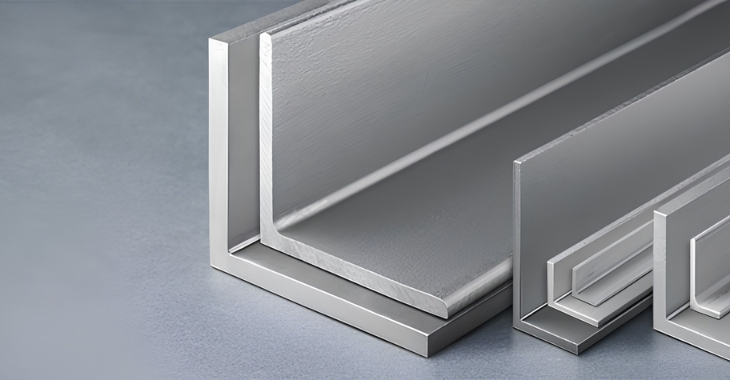
Rayko Steel understands that in the world of fabrication and construction, the smallest components often bear the greatest responsibility. Among these unsung champions is the stainless steel angle a simple, L-shaped profile that provides the backbone for countless structures we rely on daily. More than just a piece of metal, these angles are a testament to engineering ingenuity, combining strength, form, and resilience.
At its core, a stainless steel angle is a long, L-shaped bar with two legs that meet at a perfect 90-degree angle. Think of it as the steel equivalent of a sturdy bookend, designed to provide unwavering support and structure. These profiles come in two main varieties: equal angles, where both legs are the same length, and unequal angles, where one leg is longer than the other. The choice between them depends entirely on the specific needs of a project.
The "stainless" part is what elevates these angles from simple structural steel. Stainless Steel Angles is an alloy containing chromium, which forms an invisible, passive layer on the surface that resists rust and corrosion. This makes the angles incredibly durable and long-lasting, even in challenging environments.
From the framing of a skyscraper to the intricate details of a modern staircase, stainless steel angles are remarkably versatile. They are often used to reinforce corners, create sturdy frames, and provide critical support for machinery and equipment. At Rayko Steel, we see our products used in a vast array of applications, including building frameworks, shelving, brackets, architectural trims, and even in the demanding environments of marine and chemical processing plants. Their inherent strength and resistance to corrosion make them a preferred choice for projects that demand both reliability and longevity.
To truly appreciate the value of a Rayko Steel stainless steel angle, it's essential to understand its key specifications. The material grade, dimensions, and weight all play a crucial role in determining its suitability for a given application. The most commonly used grades are 304 and 316, each with distinct properties. The 304 grade is the "workhorse" of the stainless family, offering an excellent balance of strength and corrosion resistance for general use. Meanwhile, the 316 grade contains molybdenum, which gives it superior protection against chlorides and harsh chemicals, making it ideal for marine and coastal applications.
| Specification | Details |
|---|---|
| Standards | ASTM, ASME, EN, BS, DIN, JIS, GB |
| Grades | 304, 304L, 316, 316L |
| Type | Equal Legs, Unequal Legs |
| Size Range | Leg Length: 20mm x 20mm up to 200mm x 200mm |
| Thickness | 3mm to 20mm |
| Size (mm) | Thickness (mm) | Approx. Weight (kg/m) |
|---|---|---|
| 25 x 25 | 3 | 1.12 |
| 50 x 50 | 5 | 3.77 |
| 75 x 75 | 6 | 6.85 |
| 100 x 100 | 10 | 14.9 |
Selecting the right stainless steel angle isn't just a technical choice; it's a decision that impacts the longevity and safety of your project. If you're building an outdoor railing in a city, Grade 304 might be the perfect, cost-effective solution. However, if your project is a coastal boardwalk constantly exposed to salt spray, the enhanced corrosion resistance of Grade 316 becomes invaluable, protecting your investment from the elements for decades. Rayko Steel is here to help guide you through these choices, ensuring you get precisely the right material for your unique vision.

Rayko Steel India is engaged in manufacturing and supplying premium quality stainless steel products with durability, strength, and modern designs.